


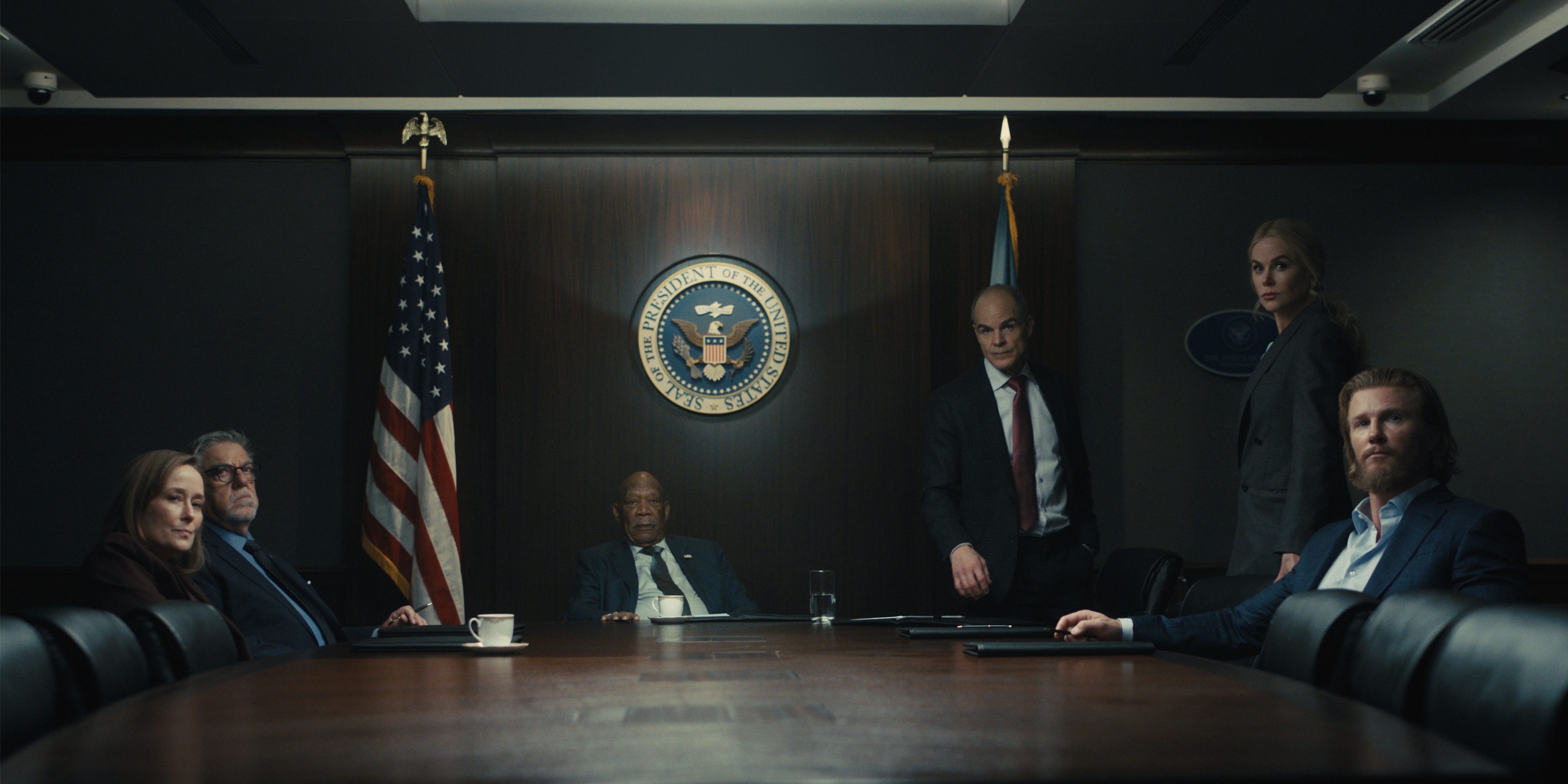
Taylor Sheridan's espionage thriller Lioness is the rare spy drama that keeps climbing. Season three opened to 7.1 million viewers in its first seven days on Paramount+, ahead of both previous premieres, and landed as the second most-watched streaming original series in the country that week. Episode six is where the season turns, and audiences have rated it among the strongest hours the show has produced.
“Sugar Land,” directed by D.J. Caruso and written by Sheridan, carries a senator's unraveling, a car chase, a hangar gunfight and the rescue operation that changes the shape of the season. It was photographed by Nicole Hirsch Whitaker, ASC, the season's alternating director of photography, and almost every choice in it serves tension.
The series itself is known for its cinematic look and storytelling. "There's a special look to the show," Whitaker explains. "It's television mixed with film. Every season has had its own story and look, but it still all feels cohesive because of the writing, great directors and DPs."
The Challenge of Coming in Mid-Season and Maintaining a Look
Whitaker first shot Lioness in season one, when Paul Cameron was the starting DP. “He's one of my heroes,” she says. Rob McLachlan, ASC, CSC came in on season three and honed a look for the year. She joined at episode four with a different director, and McLachlan directed as well.
“I rode in on his coattails as an alternating DP, basically supporting what he had set up,” she says. “So it was two different dps, and there was a real good, strong thread between everybody's ideas. When you're coming in the middle of a show, you need to keep the feel of the show looking like it has from the beginning, otherwise it will bump people.”
McLachlan had built the season on the ARRI ALEXA 35 with Supreme Primes and three zooms, running three cameras most of the time. Caruso preferred to stay on primes. The look she describes as inky and reality-based but slightly heightened, with Sicario and other spy films as touchstones going back to season one.
Covering it like a feature film
That balance is what drives the episode's suspense, and it comes down to lensing.
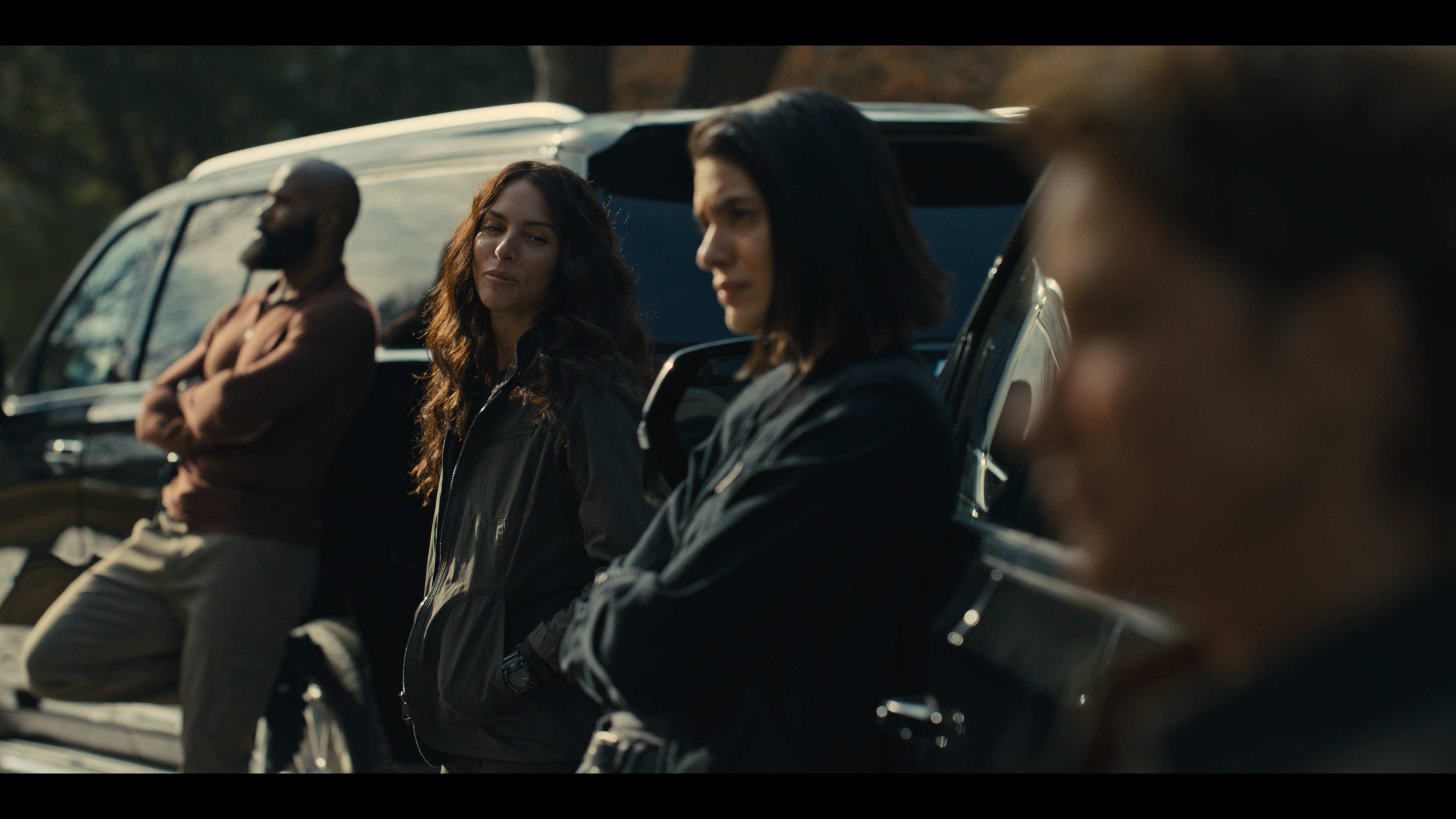
“DJ and I talked a lot about this and pulled a lot of reference from things that we loved. We talked about scope, and then talked about intimacy,” she says. “And just building the tension, I think in terms of the lensing, I'm a huge fan of big wides and super tight shots. One of the things that some TV tends to do, just because you run out of time, is people sort of rely on medium shots to tell the story. I think that's why the episode works so well in conjunction with the show and those sequences of tension work so well.”
Building a world inside a working restaurant
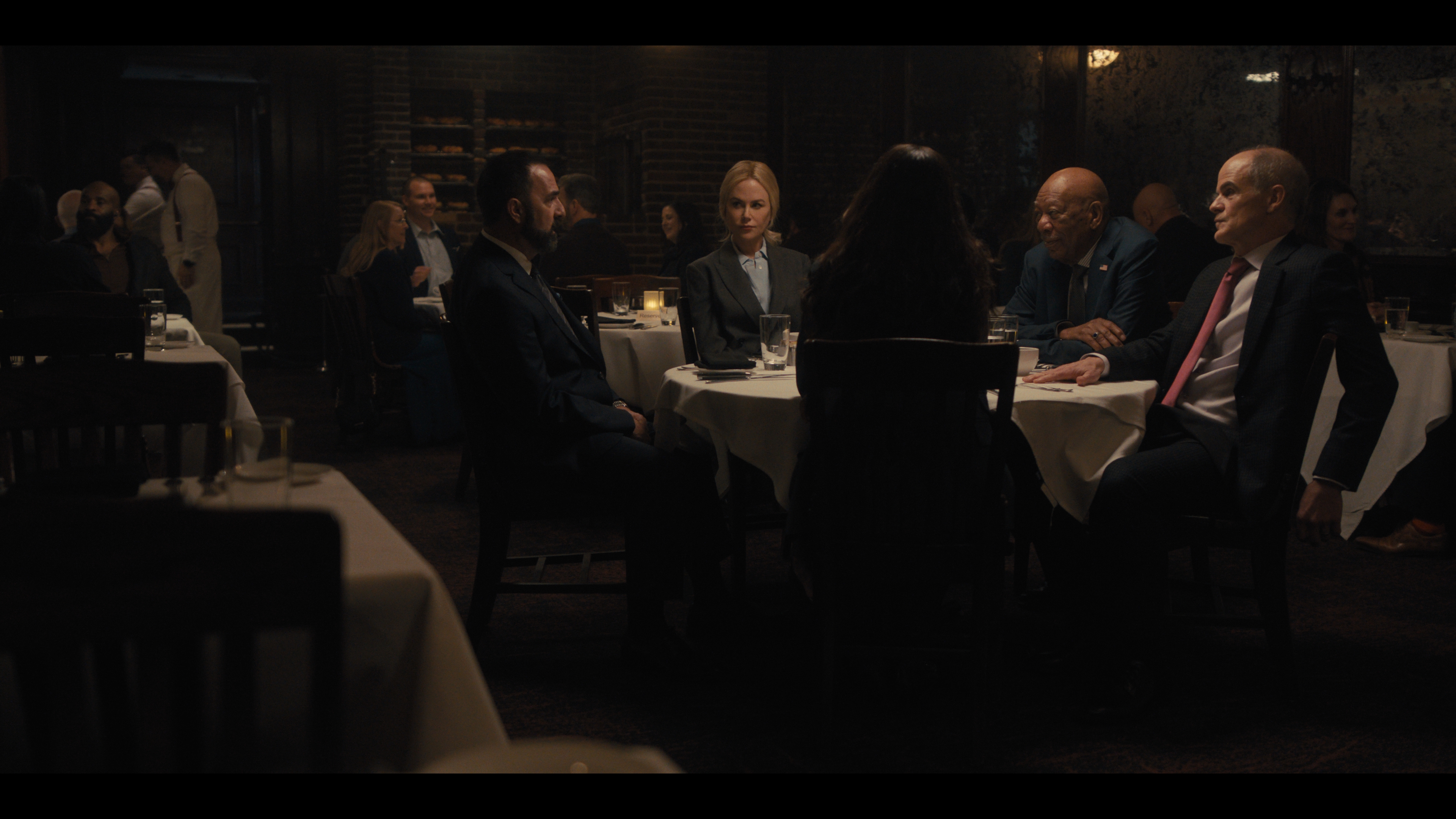
The restaurant where the senator is confronted was a real location. the company only had between 3 p.m. and 2 a.m. The crew rigged it, struck everything so the restaurant could open, then came back and re-rigged. There is also an unwritten rule on Lioness: minimize what has to be painted out, and the only way to move fast and light the table for 6 people was to use a truss.
“The art department was incredible, and overnight they built a fascia to cover my rig,” she says. “So everything that you see is in camera. There's no visual effects trying to paint anything out. They want it to feel real, and for the actors to not feel like they're looking at rigs and lights. That was a really fun location for me, because DJ and I got to create our own world in that location and really design something special.”
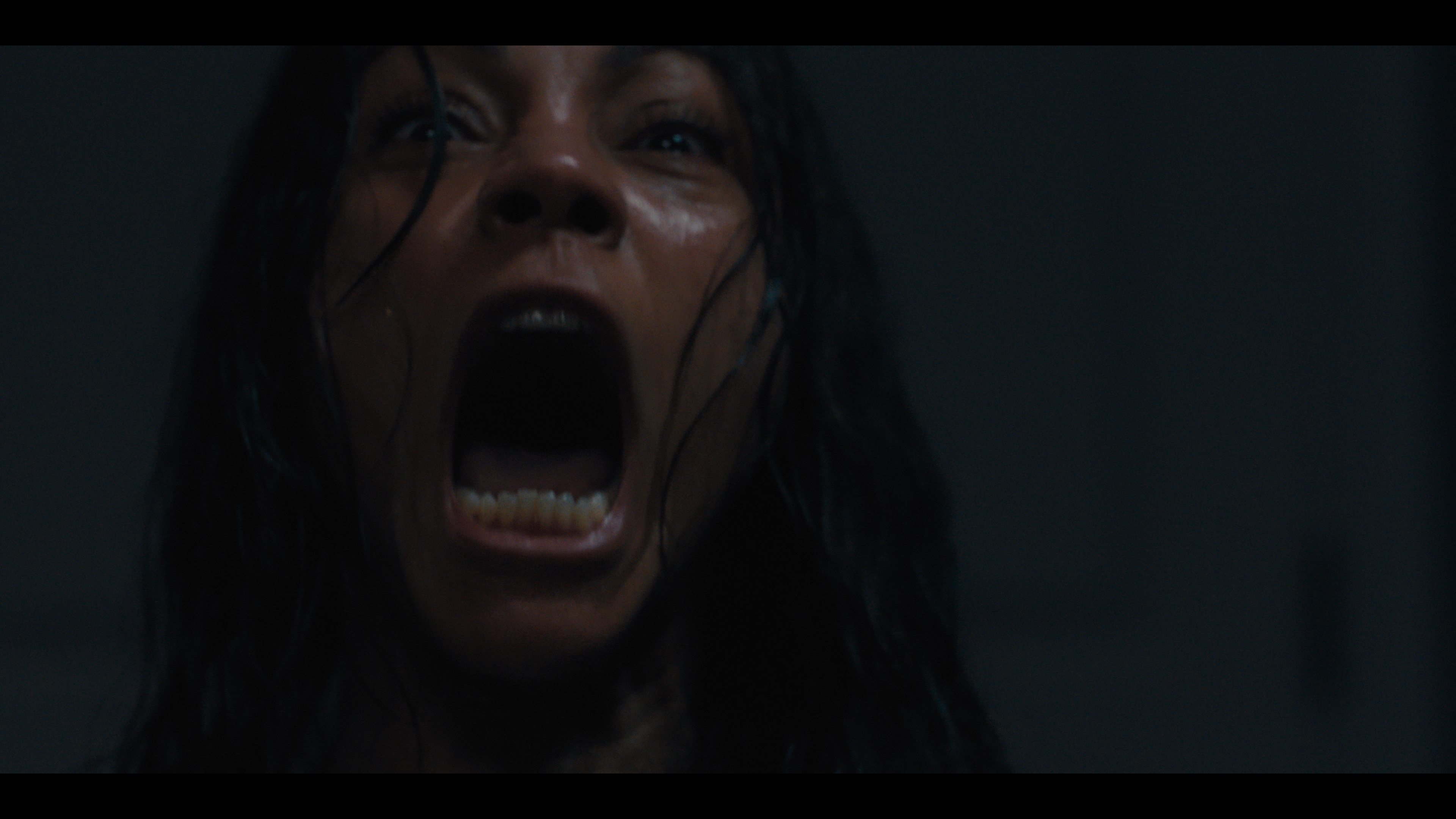
When the senator leaves, the register drops. “We talked a lot about low angles so that we could get the camera low. We used the FX3 as well for specialty shots. And he really wanted to do a lot of macro work.”
.jpg)
The hangar, the chase, and Senior Colorist Mitch Paulson
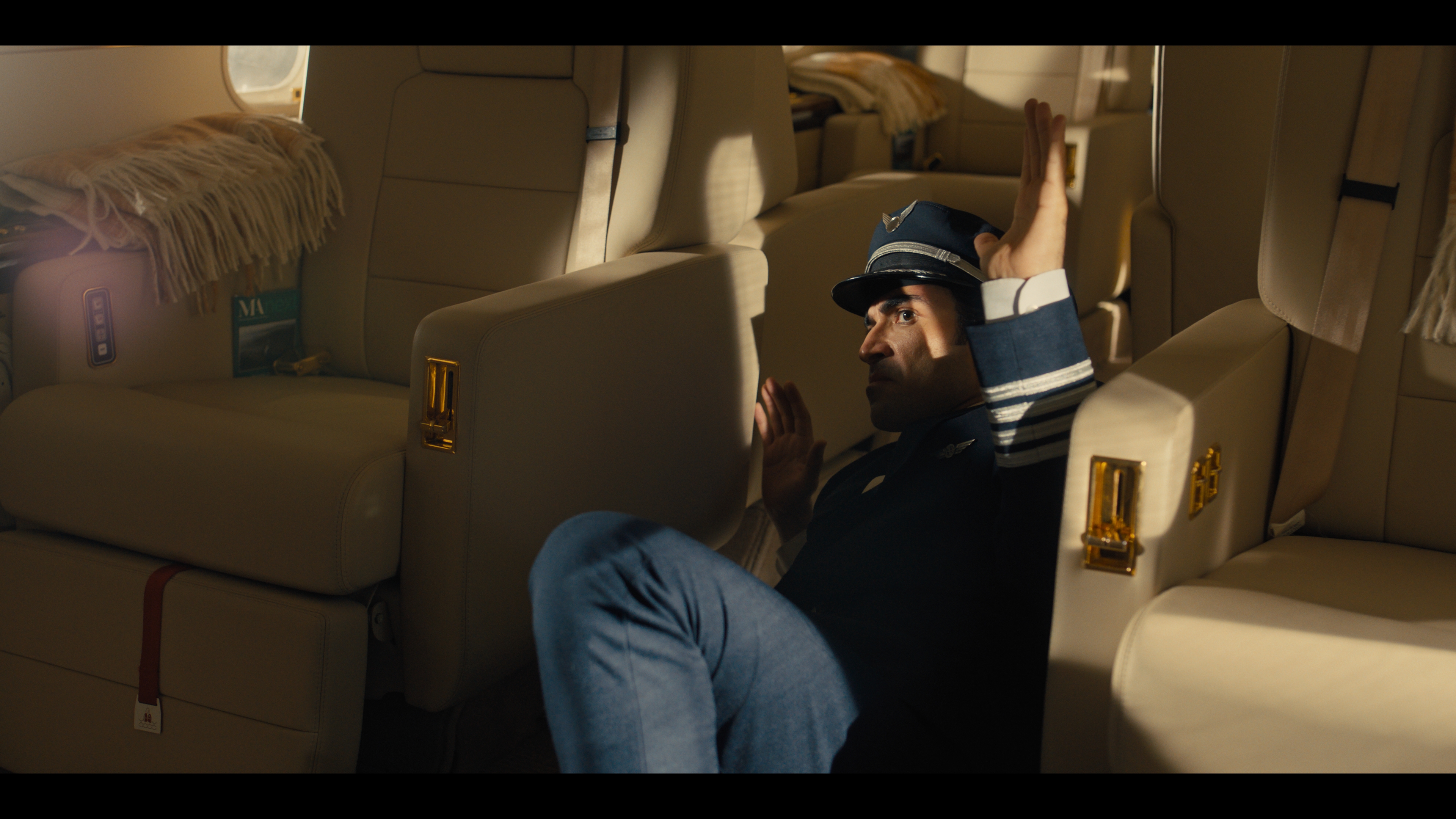
The hangar work ran across two days, with the show's aviation team keeping the plane on jacks and rotating it as the sun moved. But the days ran 8 a.m. to 6 p.m. “At some point, nothing's matching, and that's where Mitch came in,” she says.
Picture Shop Senior Colorist Mitch Paulson sat with her and looked at the footage. “I was like, oh my God, at 8 a.m. there's hard sun going in the background, and at the end of the day there's shadow. And we just talked about, listen, if it looks good, who cares. By the time it was cut together and Mitch came in and colored it, it ran together seamlessly. He was a huge part of helping me make that work.”
The chase had the reverse problem, shot at sunset with the running footage captured midday, because a street can only be closed mid-day. Paulson evened that out too.
Working with Mitch Paulson
Paulson's feature credits include Sicario, the reference point this show was built on, along with Blade Runner 2049 and Skyfall, and he has worked with Sheridan across 1923, Mayor of Kingstown and Landman.
“Working with Mitch was awesome, and obviously he's been doing so much work with Taylor and all of his shows, so it's a very calming presence,” Whitaker says. “I really appreciated him pushing me a little bit away from being too dark, because I tend to go kind of dark. He has a great eye. He comes from features, so I felt like he's propelled a lot of these shows into more of a feature look as opposed to a television network look. I barely had to do anything, because he showed me a pass and I was like, oh, that's great. DJ and I came in and made a few tweaks here and there. He's a great partner to have on these shows.”
Lioness season three is streaming on Paramount+.