


Director of Photography Darran Tiernan ISC on creating a series that lives in both color and black‑and‑white — engineered alongside Picture Shop Senior Colorist Pankaj Bajpai.
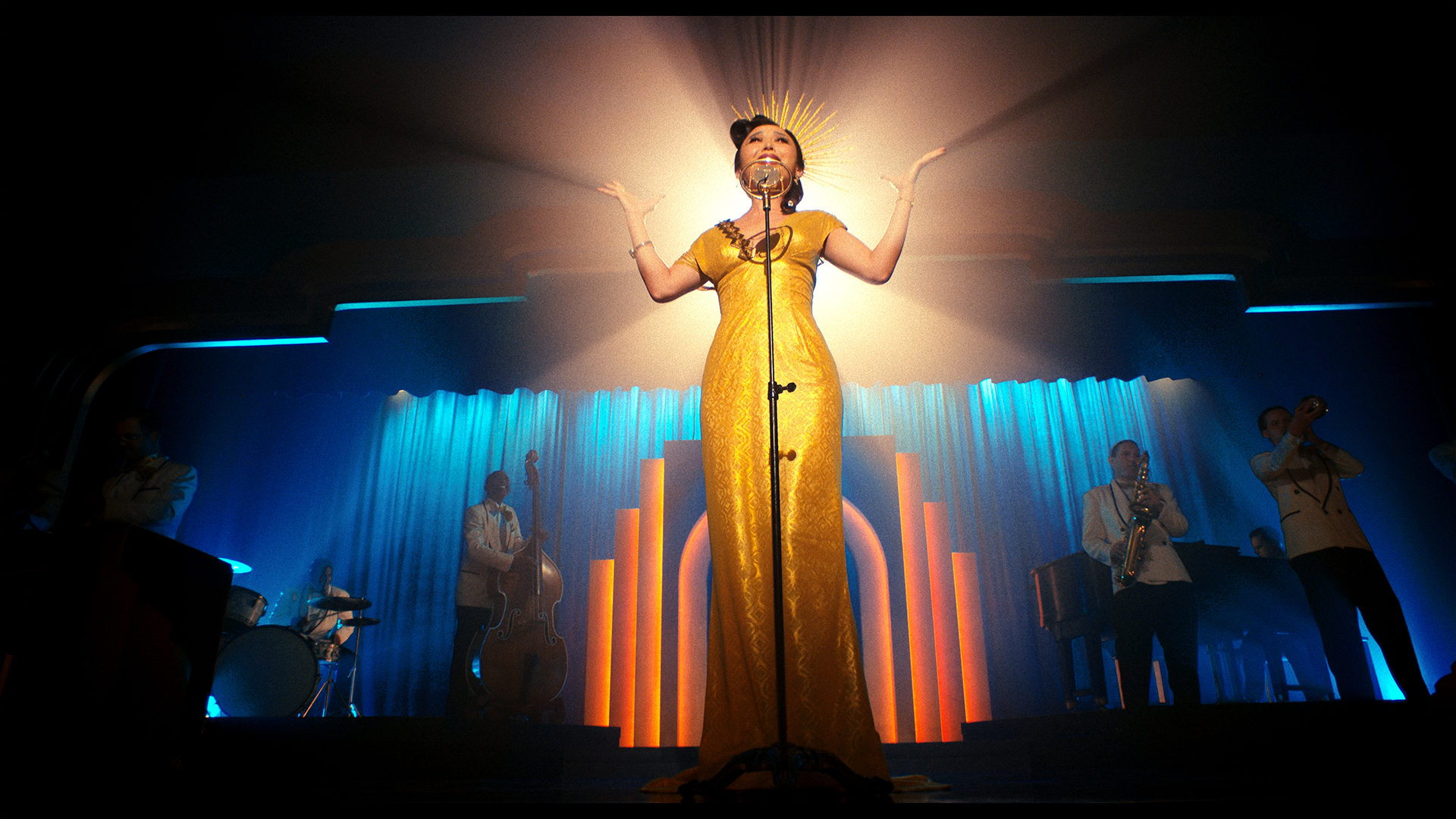
Few visual languages are as instantly recognizable as film noir. Fewer still are difficult enough to build once, let alone twice. For Spider‑Noir, the brief was simple: a series designed to live in two formats at once - rich, expressive color and classic black‑and‑white - with each version standing fully on its own.
Director of Photography Darran Tiernan ISC built that dual‑format world in close collaboration with Senior Colorist Pankaj Bajpai at Picture Shop, where the two developed the LUT pipeline that became the backbone of the show’s look. We spoke with Tiernan about where the inspiration came from and how a single set of tests and tools was engineered to hold up in both color and monochrome.
Picture Shop: What was your inspiration in creating the look of Spider‑Noir?
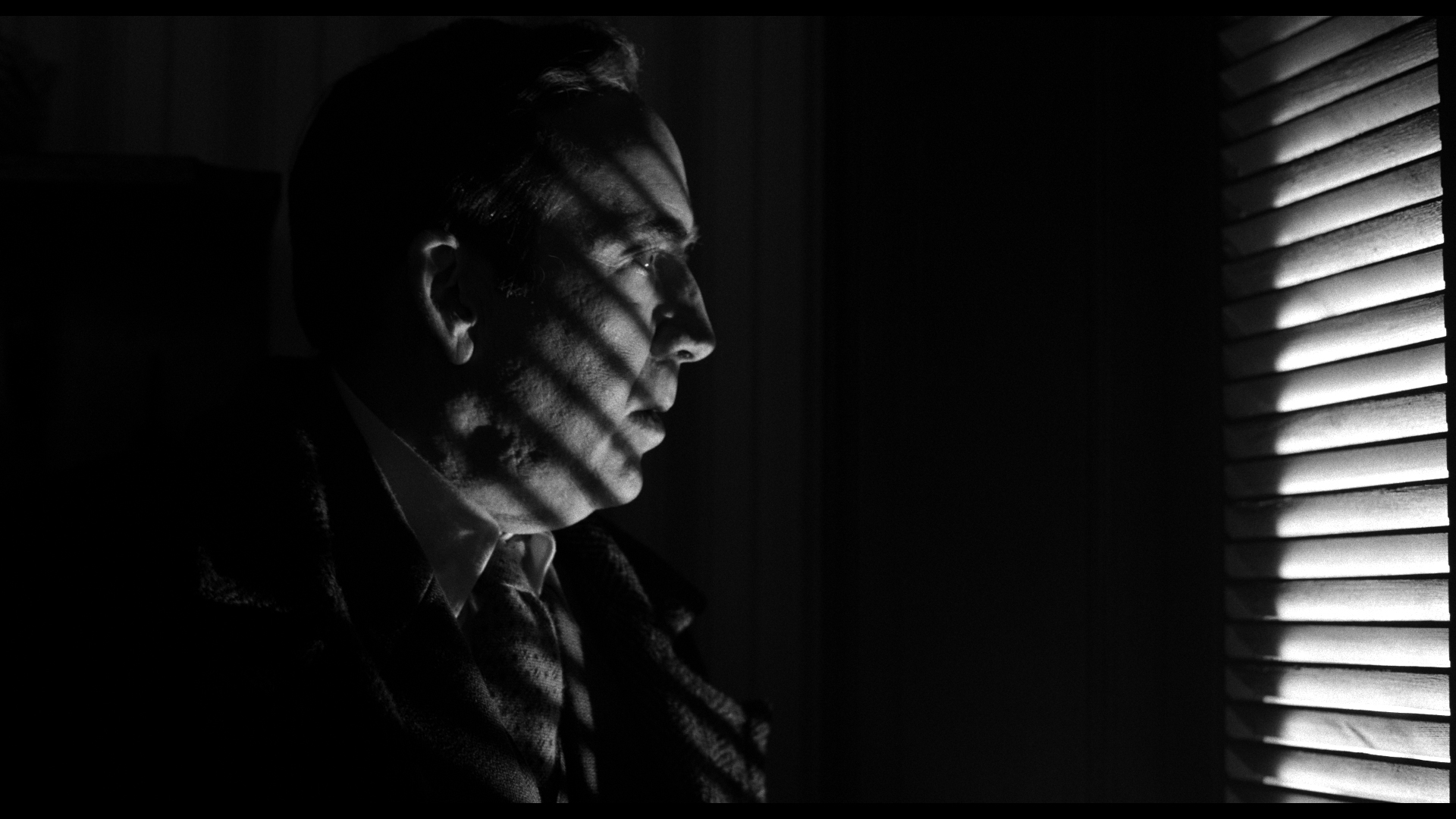
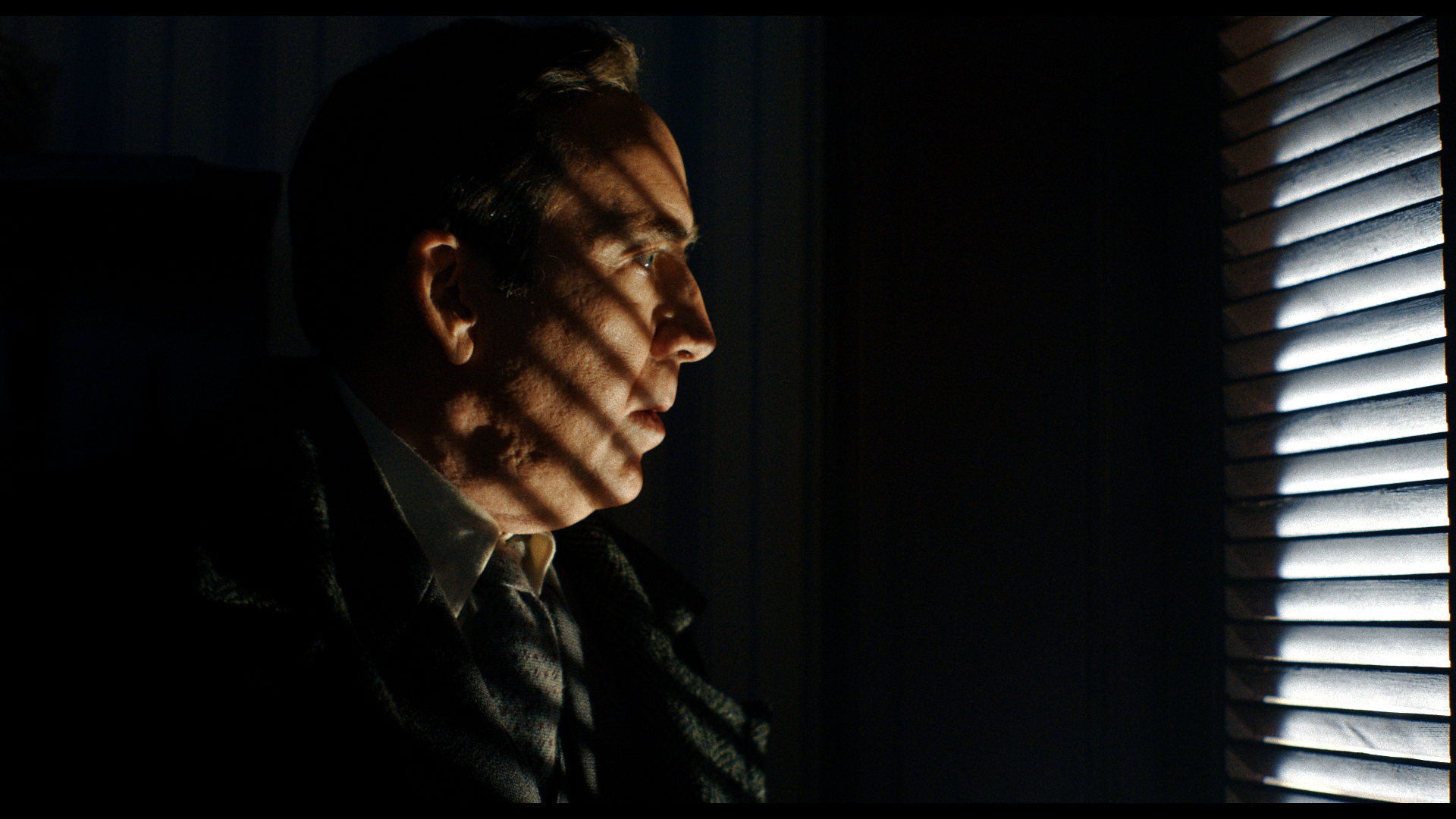
Darran Tiernan: The look of Spider‑Noir was rooted very deliberately in the visual language of classic film noir—from the early1940s through the late 1950s—combined with the photographic realism of 1930s–40s photojournalism. I was particularly drawn to the way those films used deep shadow, hard contrast, smoke, and expressive, sometimes off‑kilter compositions to create psychological tension and atmosphere.
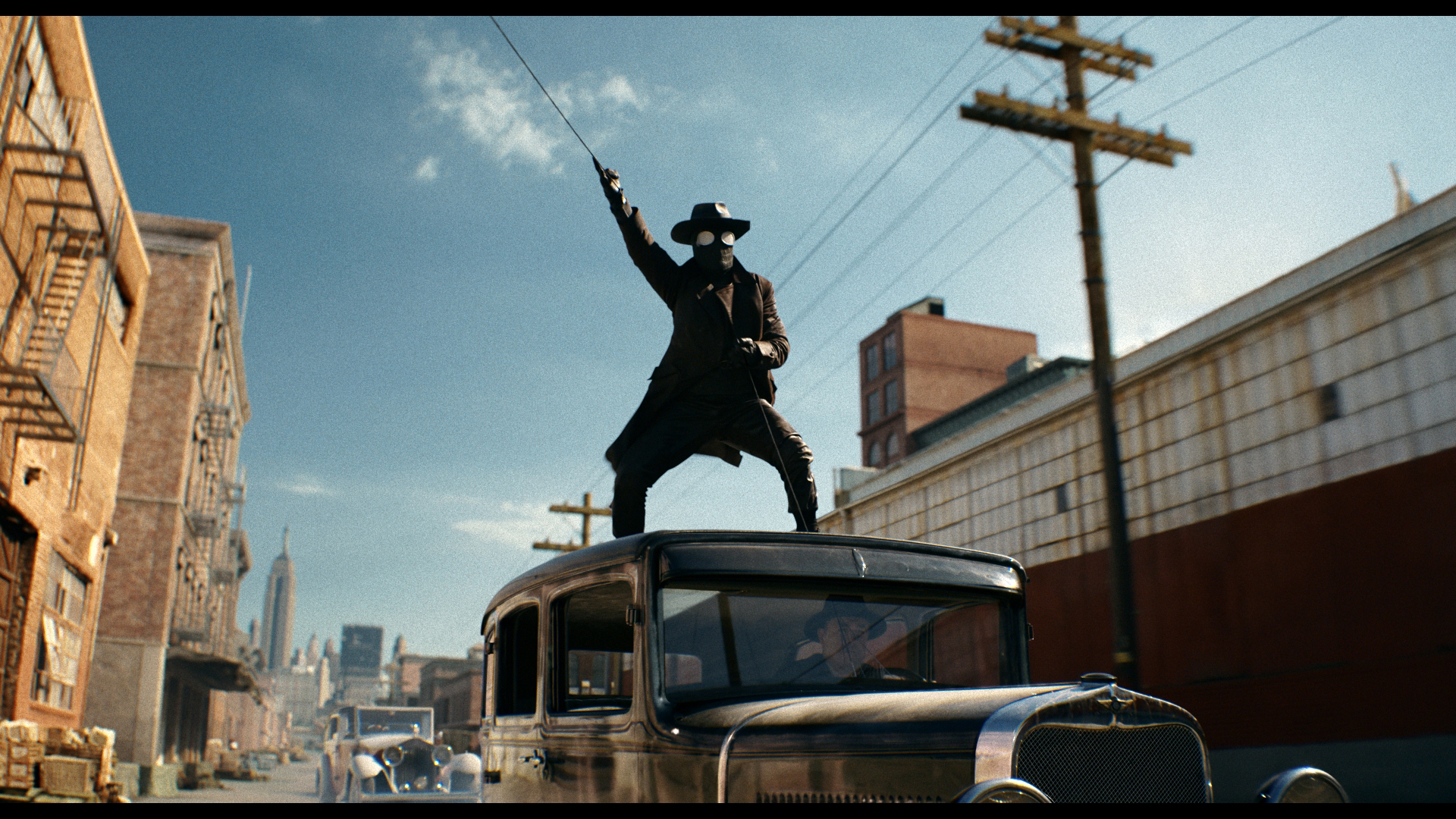
At the same time, I didn’t want to simply replicate the past. The goal was to build a 1930s New York that felt authentic and lived‑in, but still dynamic and cinematic for a modern audience. So it became a balance: honoring that classic noir grammar—chiaroscuro lighting, bold silhouettes, practical sources—while allowing the camera to be more playful and expressive, especially given the heightened, slightly operatic world of a Spider‑Man story.
Filmmakers like Huston, Welles, and Kubrick were constant touchstones, but I also found inspiration in imagining how they might have used modern tools—Steadicam, cranes, drones—while still maintaining that grounded, psychologically driven visual style that defines noir.
PS: How did you work with Pankaj to create the black‑and‑white versus the color LUT? Was it based on a film stock?
Tiernan: The LUT process was a long, collaborative effort with Pankaj Bajpai at Picture Shop and really became the backbone of the show’s dual-format look.
We started by shooting extensive tests—stand-ins, period costumes, real locations—using the same lenses, lighting approaches, and camera systems we planned to use in production. Those tests were then pushed heavily in the color bay, where Pankaj and I refined both the black-and-white and color pipelines side by side.
From there, we built a series of LUTs designed to ensure consistency across both versions. These LUTs mapped how color information translated not only into the final color image, but crucially into a rich, controlled black-and-white tonal range.
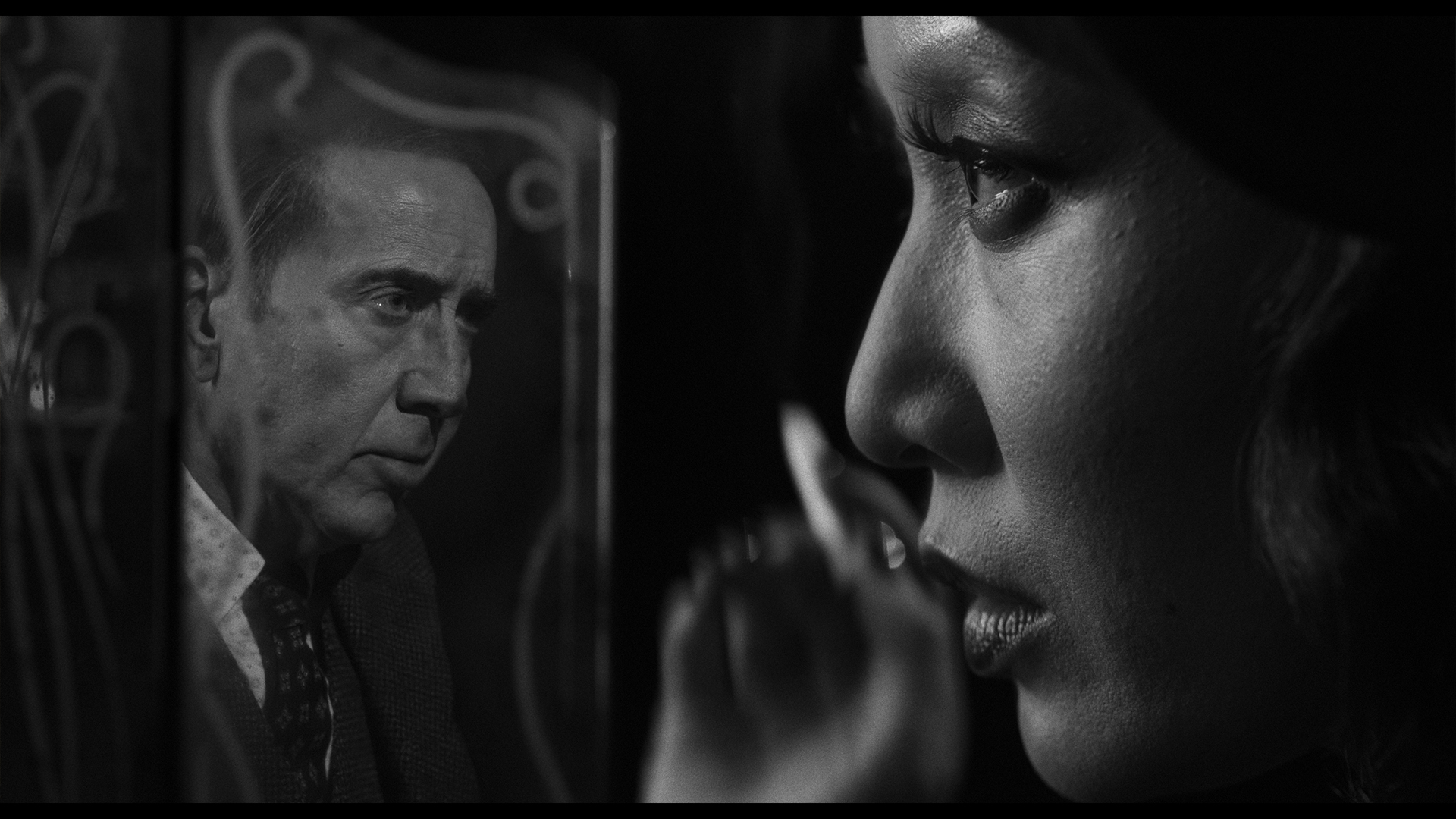
Yes, the approach was very much inspired by film stock. We were aiming to emulate the tonal qualities, contrast curves, and highlight/shadow behavior of period stocks—particularly how they rendered skin, fabrics, and practical light sources. The black-and-white version became the “core” image, with strong contrast and graphic separation, while the color LUT was designed to support that foundation rather than compete with it.
An important part of the process was extending those LUTs beyond the camera department. We shared them with art and costume early on, along with matched cameras and lighting setups, so every department could test materials under the same conditions. That way, fabrics, paint, and textures were chosen not just for how they looked in color, but for how they translated into black-and-white—ensuring both versions felt intentional and cohesive rather than like alternate afterthoughts.
A simple example: a deep red fabric might read beautifully in color, but collapse tonally in black-and-white. Through testing and LUT refinement, we could shift that choice -either in hue or texture-so it held separation and shape in both formats.
Spider-Noir is now streaming on Prime.